


Investing used to mean fees. Lots of fees. Fees to hold cash. Fees to hold shares. Fees to hold bonds. Commission/dealing fee (the money you pay to buy and sell shares). Foreign exchange fees. You get the picture, fees for everything.
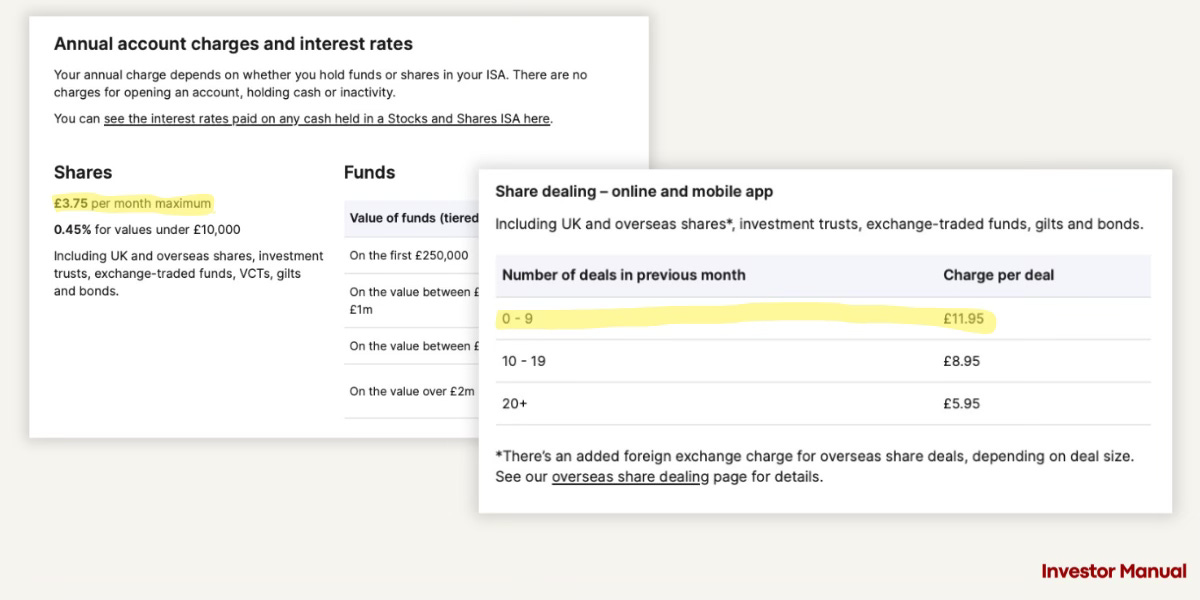
Take Hargreaves Lansdown, the UK’s largest DIY investment platform. If you have an ETF portfolio worth £20,000 and you make a monthly contribution of £1,000, it could cost you £188.40 for the year!
Even on platforms like Vanguard UK, one of the original low-cost investment providers, it could cost you £45 per year!
While £45 per year might not seem like much, fees also compound, much like your investments. Each pound you pay in fees is money that is not invested and misses out on potential gains.
But on newer platforms such as InvestEngine, Freetrade, Lightyear, eToro, or Trading 212, it will cost you nothing. Nil.
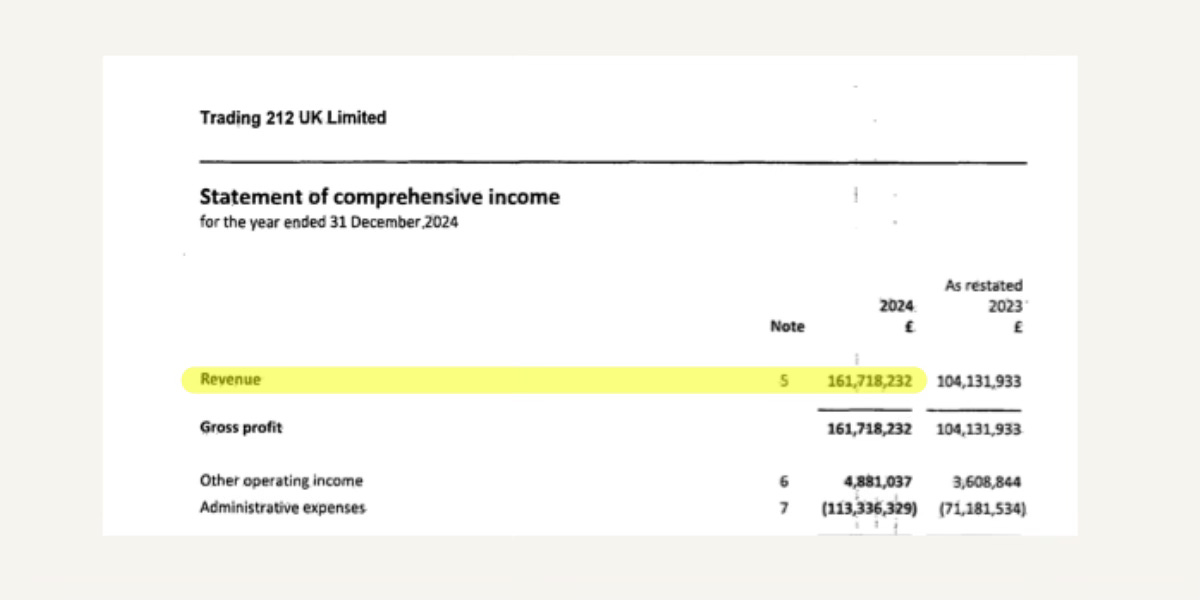
For the year ending 2024, Trading 212 made £162m in revenue. So these companies are not exactly charitable endeavours.
If you are not paying for it, then who is? How are they making money?
When you are investing your hard-earned money, do not just assume and put your faith in supposedly altruistic finance bros.
It should not come as a surprise that these apps are not entirely fee free. Do not get me wrong, you can use these platforms in ways that mean little to no fees.
They might not charge you commission, but there are other costs. Some of these are obvious, while others are more subtle. They do not appear as a line item on an invoice, receipt, or summary screen. It just happens in the background and you do not notice it.
Below I identify some of the ways these platforms make money. Most platforms use some combination of these revenue sources, so you do not have to pay £11.95 for each trade in dealing fees.
If you are reading this, it was meant to be! I started this Substack because I spend a lot of time talking about investing with friends and family who do not care and definitely find me annoying. I do not have an audience, so the chances are I am speaking into the void. If there is a person on the other side, scream or subscribe to give me a signal.
1. Foreign Exchange Fees
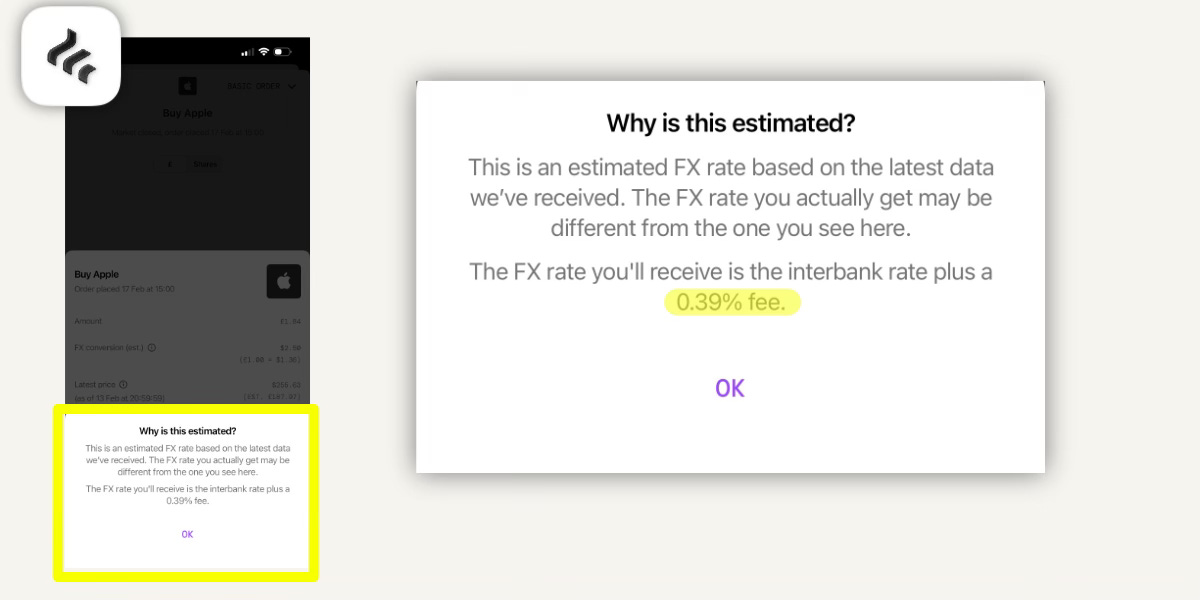
If you are buying shares that are not denominated in pounds (£), you will be paying a foreign exchange fee. This is the fee you pay to your trading platform to convert your pounds into a foreign currency.
For example, Apple shares are traded in US dollars ($). Each time you buy shares denominated in euros, yen, dollars, or any other currency, you are paying a foreign exchange fee.
Freetrade charges between 0.39% and 0.99%, depending on membership tier. On their basic plan, buying £1,000 worth of Apple shares will cost you £9.90 in FX fees.
2. Interest on Cash held in accounts
Much like the interest earned on your cash in a personal savings account, uninvested cash held by your platform, typically in a commercial bank account, also earns interest.
Some platforms pay a fraction of the interest they earn to you and pocket the rest for their revenue.
If you are carrying cash in your investment account, you are effectively generating revenue for the platform. The cost to you is the interest you would have otherwise earned.
For their basic account, Freetrade pays investors 1% AER on up to £1,000. Anything beyond the £1,000 mark earns no interest.
3. Share Lending
Share lending is when your shares are lent out to a borrower.
Typically, you buy a share hoping it will increase in value. However, some investors, known as short sellers, bet that a stock price will fall.
To do this, they borrow a number of your shares and sell them at the current price. In the future, if the share price does drop, they will re-purchase the same number of shares at the lower price and return them. The difference between what they sold for and what they bought for is their return.
Much like borrowing from a bank, they post collateral, and pay something called a borrower fee and interest.
Some platforms share some of these proceeds with you. The interest you earn is variable and entirely dependent on the borrowed stocks. Trading 212 and Freetrade split the interest equally with their customers.
A platform cant just lend your shares without your permission.
4.Contract for Difference/ other services
Platforms such as Trading 212 offer other services such as CFDs.
CFDs let you speculate on the movement of assets using margin, meaning you can borrow money with a small down payment.
There are a whole host of fees charged on CFDs, for example: spreads, commissions, overnight funding fees, slippage, market data fees, and inactivity fees.
Another service offered by platforms like InvestEngine is a managed portfolio, where they manage your investments for you, for a small fee of course. Based on your risk appetite, they will select and manage the investments for you.
5. Spread
What is commonly referred to as the spread is the difference between the buying price and the selling price of a stock. You’ll notice that when you try to sell, the price offered is almost always slightly lower than the price you’d pay to buy the same stock at that exact moment. That gap between the two is the spread.
Who pockets the difference? Well, it is typically the market maker (institutions that execute the trade for you) and/or the platform.
You need to be particularly wary of the spread if you are an active trader who is constantly buying and selling stocks throughout the day, as these small costs can add up quickly and eat into your returns.
Platforms like Freetrade do not charge a spread. The difference in buy and sell is due to market makers. More on market makers in the future.
These platforms have changed the way we invest, made it more accessible and yes, more affordable, but not entirely without costs. There are ways you could be using the platform that mean it is free. For example, you might just be investing in GBP-denominated ETFs. But if you are buying US stocks or trading frequently, it is not entirely free.
So do you know how much you pay on your commission free platform?
Errr… did you just make it to the end? why not become my first subscriber?